You're a god.
They have their own plans.
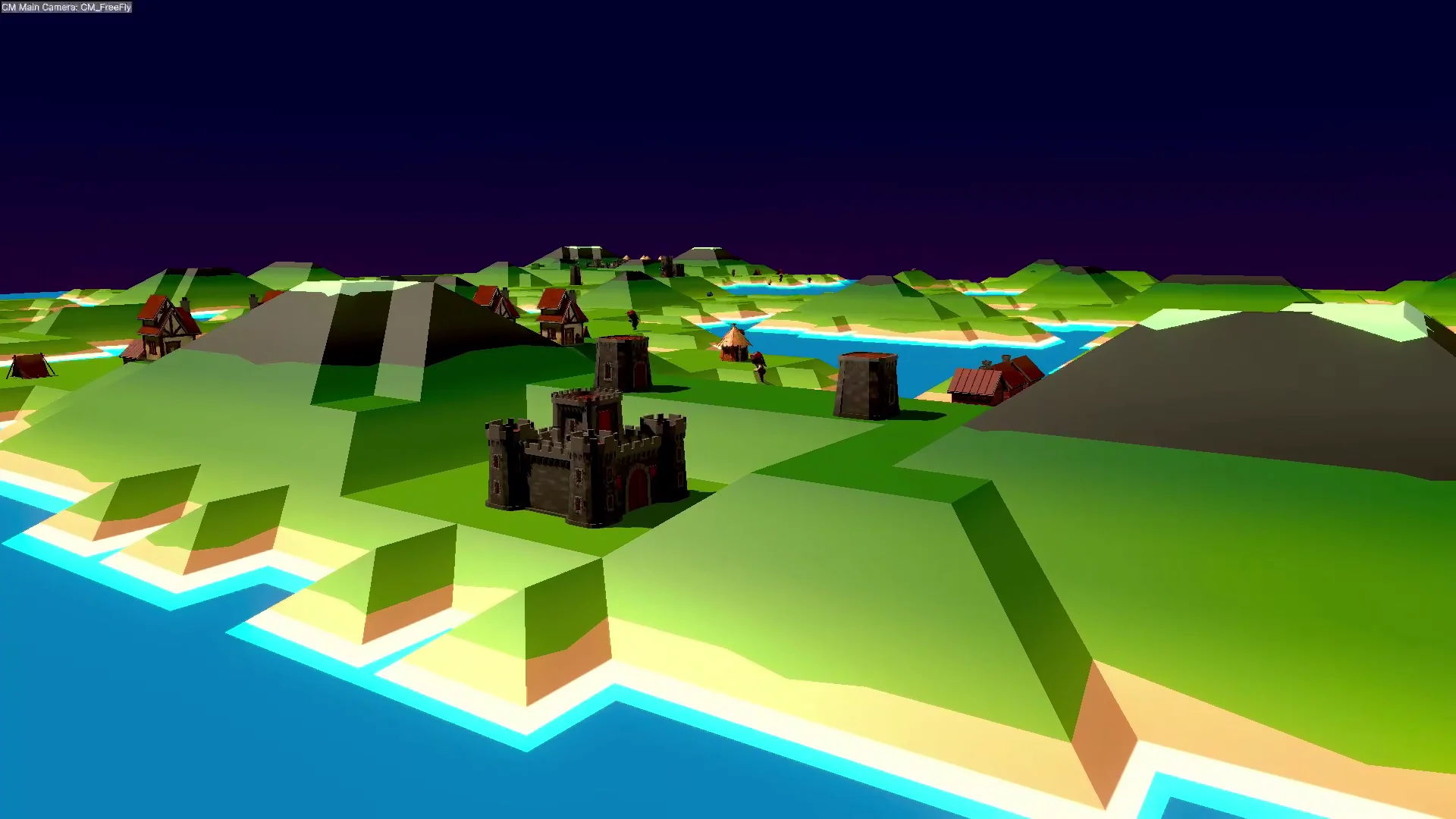
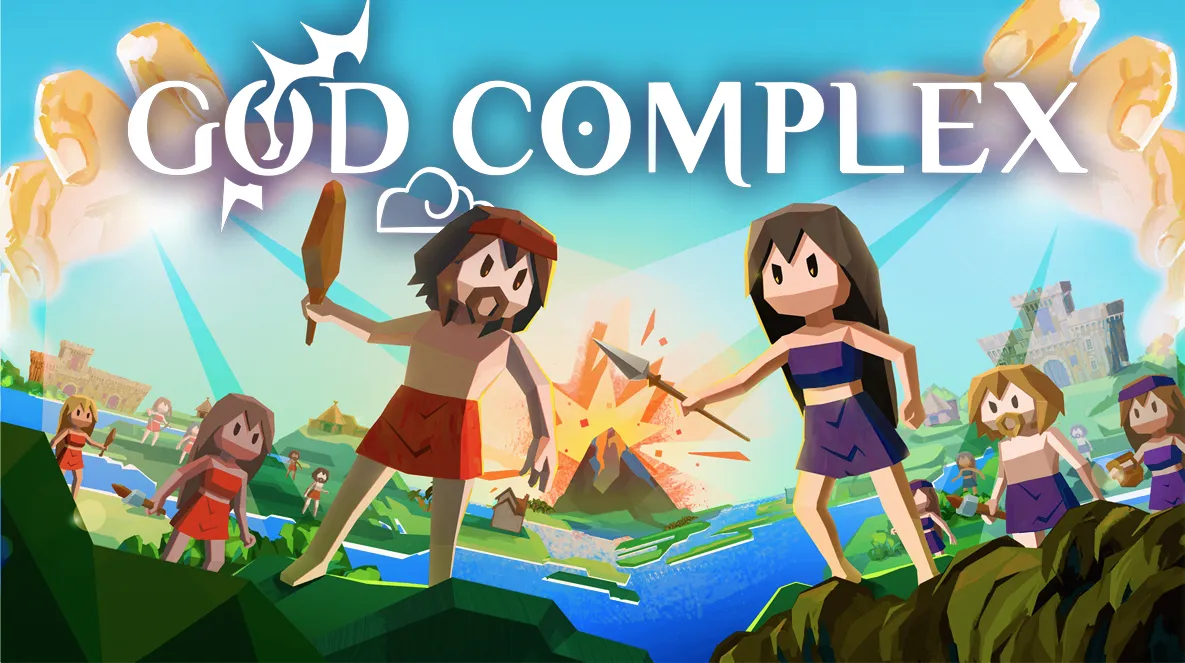
God Complex is a real-time multiplayer god game. Sculpt the island, bless your tribe, smite your rivals, but the little people are autonomous. They follow no orders, only consequences.
If you can see the logic,
you can collaborate on it.
Code hides what your game is actually doing inside structure that only the author can read fluently. A graph puts the same logic on a canvas everyone can point at: designers, writers, junior devs, the AI in your IDE.
The tool is the spine of everything else we ship: dialogue and quests, NPC behavior, state machines. One editor. One mental model. Every node is hot-swappable.
- 01 Git changes, on the canvas. The graph reflects your repo: every commit lights up the nodes it touched, down to the method level. See what moved without reading a diff.
- 02 Hot-swap any node. Swap a “Greet” dialog for a quest hand-off without ever opening a code file. Logic survives.
- 03 Speaks fluent AI. The graph is the prompt. Drop in your favorite model and it reads the flow the way you do, no reverse-engineering some genius's spaghetti.
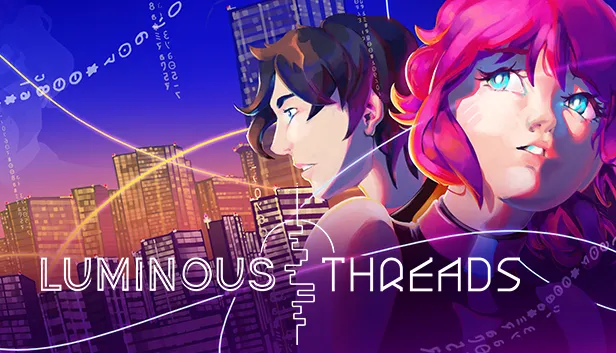
We make video games and the tools we wish we had to make them.
Bit Quirky is small. Small enough that the person designing the icon is the person writing the netcode is the person typing this sentence.
That person is me. I'm Colin, with my daughter Valerie bringing the 3D art and its little people to life, Kseniia pitching in on art when she can, and Mihai lending a hand with the code.
If you're in Austin, you'll find me coworking most Tuesdays at the Capital One Cafe on Congress Avenue. Come say hi.